Handpainted Dip Dye Watercolor Backgrounds for Design
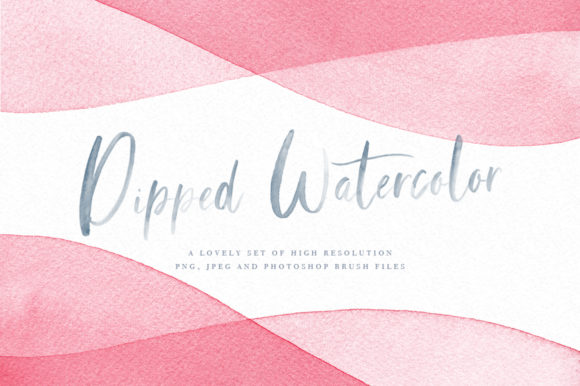
In a digital landscape often saturated with sterile, algorithmically generated patterns, there is a distinct and growing appetite for textures that bear the mark of human hands. Dip Dye Watercolor Backgrounds offer exactly this kind of organic authenticity. Unlike standard gradients created in software, these backgrounds are born from the unpredictable interaction between pigment, water, and paper. Each piece in this collection was handpainted and subsequently scanned with meticulous care to preserve every subtle bleed, granulation, and edge variation. This commitment to high-fidelity digitization ensures that the final assets retain the soul of the original artwork, making them indispensable for creators who value depth and character in their visual communications.
The utility of these assets extends far beyond simple aesthetic appeal. For branding projects, fabric designers, and those creating physical merchandise like yardsticks, the difference between a flat digital gradient and a scanned watercolor wash is palpable. The latter invites the viewer to look closer, offering a tactile quality that screens often lack. Because these files are provided as transparent PNGs at 300 DPI with dimensions reaching up to 4200 by 6100 pixels, they are ready for immediate integration into both high-resolution print workflows and crisp digital displays. Whether you are designing a boutique clothing line or a sophisticated corporate identity, the underlying texture of a real watercolor dip dye can elevate the perceived value of the end product.
Unlocking Creative Variations with Included Tools
One of the most compelling aspects of this specific resource pack is its flexibility. While the nine included PNG files provide a stunning foundation, the creative potential expands exponentially when utilizing the accompanying Photoshop brushes. The package includes ABR files compatible with both modern Photoshop CC and older CS2 versions, ensuring accessibility regardless of your software environment. With 14 distinct brush options available at resolutions up to 4200 pixels squared, you are not limited to the pre-rendered gradations.
This dual approach—ready-to-use backgrounds plus customizable tools—empowers you to create any variation you like in a heartbeat. Perhaps the existing color gradations are perfect for your mood board, but your client needs a specific hue shift to match their brand guidelines. Instead of searching for another asset, you can use the brushes to paint over the transparent layers, blending new colors while maintaining the natural flow of the watercolor medium. This hybrid workflow allows for rapid prototyping during the brainstorming phase and precise customization during final production. It bridges the gap between the convenience of stock assets and the uniqueness of custom illustration.
Strategic Applications Across Industries
The versatility of Dip Dye Watercolor Backgrounds makes them suitable for a wide array of professional contexts. Understanding how to adapt these textures to specific industry needs is key to maximizing their impact.
- Fashion and Textile Design: The fluid nature of dip dye mimics actual fabric dyeing techniques. These backgrounds serve as excellent starting points for print-on-demand services or actual textile manufacturing. When applied to fabric mockups, the high-resolution JPEGs (included at 4200 x 6100 px) ensure that the pattern remains sharp even when tiled or scaled for large garments.
- Branding and Packaging: For small business owners and entrepreneurs, packaging is a critical touchpoint. A box featuring a soft, hand-painted watercolor gradient suggests craftsmanship and attention to detail. This is particularly effective for beauty products, artisanal foods, or lifestyle brands aiming for an approachable yet premium feel.
- Educational Materials and Stationery: Educators and publishers can utilize these backgrounds to soften the visual tone of worksheets, planners, and book covers. The inclusion of yardstick-ready dimensions means these designs can be directly applied to educational tools without losing clarity, making learning materials more engaging for students of all ages.
- Digital Marketing and Social Media: Bloggers and marketers often struggle to make social media graphics stand out. Using a textured watercolor background behind typography creates immediate visual interest and stops the scroll. The transparent PNG format allows for seamless overlay on various colored feeds or website sections.
Maintaining Clarity and Consistency in Design
While the organic nature of watercolor is a strength, it requires a disciplined approach to ensure the final design remains effective. When working with Dip Dye Watercolor Backgrounds, the goal is to enhance the message, not overwhelm it. Because these textures contain complex details and varying opacities, legibility is paramount.
To keep results clear and audience-friendly, consider the following practical recommendations:
- Manage Contrast Carefully: Watercolor washes often feature light and dark areas within the same image. When placing text over these backgrounds, ensure you have sufficient contrast. You may need to add a subtle semi-transparent overlay or a drop shadow to your typography to guarantee readability across all devices and print conditions.
- Respect the White Space: One of the benefits of the transparent PNG files is the ability to position the watercolor element strategically. Do not feel compelled to fill the entire canvas. Often, placing the dip dye effect in a corner or along one edge creates a sophisticated frame that draws the eye toward the central content without competing with it.
- Consistent Color Palettes: If you are using the Photoshop brushes to create variations, stick to a defined color palette. The beauty of watercolor lies in its blending; however, introducing too many disparate hues can result in a muddy appearance. Select two or three complementary colors and let the brushes do the work of merging them naturally.
- Print Preparation: For physical products like fabric or yardsticks, always work with the 300 DPI non-transparent JPEGs or the high-res PNGs. Verify color modes (CMYK vs. RGB) early in the process to avoid unexpected shifts when the design goes to press. The detailed scan work done on these originals ensures that the transition from screen to print retains the delicate nuances of the paint.
Fueling Inspiration Through Exploration
Creativity often stalls when we rely on the same familiar assets. This collection encourages you to break routine. Before settling on a final design, take the time to scroll through the previews provided in the package. Observe how the two different gradations of color interact. Notice how the pigment settles in certain areas, creating natural focal points. These observations can spark ideas you might not have considered initially.
For freelancers and agencies, having a library of such high-quality, hand-crafted assets can significantly reduce production time while increasing the perceived value of deliverables. Instead of spending hours painting a background from scratch, you can start with a professional base and use the included brushes to tailor it to the specific project requirements. This efficiency allows you to focus more energy on strategy, layout, and messaging.
Ultimately, the power of Dip Dye Watercolor Backgrounds lies in their ability to bring warmth and humanity to digital and physical projects. They remind us that behind every pixel, there can be a stroke of a brush and a moment of artistic intention. By integrating these textures thoughtfully, you create work that resonates on a deeper level with your audience, proving that in an age of automation, the human touch remains the ultimate luxury.