Unlocking Vintage Charm: A Complete Guide to Outlander Brush Script
In the vast universe of typography, few styles capture the human touch quite like a well-crafted brush script. Among these, Outlander Brush Script stands out as a testament to the enduring appeal of handwritten aesthetics in a digital world. This typeface is not merely a collection of characters; it is a visual narrative created using custom pen brushes, designed to evoke a sense of nostalgia, warmth, and authentic flow. For designers, business owners, and creative enthusiasts alike, understanding the nuances of this font can transform ordinary projects into memorable experiences.
The Artistry Behind the Typeface
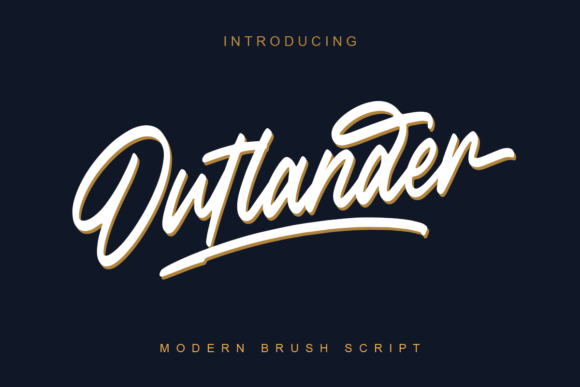
To truly appreciate Outlander Brush Script, one must first understand its origins. Unlike many modern fonts that are generated algorithmically or derived from rigid geometric shapes, this typeface was born from the physical interaction between ink, paper, and brush. The creator utilized custom pen brushes to draw each letter, ensuring that the varying stroke widths and organic imperfections found in natural handwriting were preserved.
This method results in a font that possesses a distinct vintage charm. When you look at the letters, you can almost see the pressure changes where the brush pressed harder against the surface, creating thick downstrokes, and lifted lightly for delicate upstrokes. This dynamic range gives the text a rhythmic quality, mimicking the speed and emotion of a human hand writing in real-time. It is this specific attention to detail that separates high-quality brush scripts from generic imitations.
Why Flow Matters in Design
The term "flowing appearance" is often used to describe script fonts, but with Outlander, this concept is central to its identity. The connections between letters are seamless, designed to guide the reader's eye smoothly across the line. This fluidity serves a psychological purpose: it makes the text feel approachable and personal. In an era where much of our communication is sterile and standardized via sans-serif digital interfaces, a flowing script reintroduces a layer of humanity.
Consider the difference between a standard email invitation and one headed with Outlander Brush Script. The former conveys information efficiently; the latter conveys intent and caring. The flow suggests that time was taken to craft the message, which can significantly impact how the recipient perceives the content. Whether used for a wedding invitation, a boutique logo, or a social media graphic, the flowing nature of the font creates an immediate emotional connection.
Practical Applications in Modern Life
While rooted in vintage aesthetics, Outlander Brush Script is remarkably versatile in contemporary contexts. Its ability to bridge the gap between old-world charm and modern design needs makes it a valuable tool across various industries.
- Branding and Logos: Small businesses, particularly those in the artisanal, culinary, or fashion sectors, often seek to project authenticity. A logo crafted in Outlander suggests a brand that values craftsmanship over mass production.
- Wedding and Event Stationery: The romantic and elegant curves of the font make it a perennial favorite for invitations, save-the-dates, and menu cards. It adds a touch of sophistication without feeling overly formal or stiff.
- Social Media Content: In the visually driven landscape of Instagram and Pinterest, standing out is crucial. Using a distinctive brush script for quotes or promotional graphics can halt the scroll and engage viewers more effectively than standard system fonts.
- Packaging Design: From craft beer labels to handmade soap wrappers, the vintage vibe of Outlander helps products stand out on shelves crowded with minimalist, corporate packaging.
Integrating Technology and Tradition
It is a common misconception that using a handwritten font is a step backward technologically. On the contrary, integrating Outlander Brush Script into digital workflows represents a sophisticated blend of tradition and technology. Designers can utilize this font in web design, provided they follow best practices for readability. When used for headers or call-to-action buttons, it adds personality to a website without compromising user experience.
Furthermore, the rise of variable fonts and high-resolution screens means that the subtle textures of the custom brush strokes are rendered more accurately than ever before. What might have looked pixelated or muddy on older monitors now appears crisp and vibrant, allowing the nuance of the original pen work to shine through on smartphones, tablets, and 4K displays.
Best Practices for Usage
To get the most out of this typeface, it is essential to understand where and how to apply it. While beautiful, brush scripts require careful handling to maintain legibility and impact.
- Pairing with Complementary Fonts: Outlander Brush Script works best when paired with a clean, neutral sans-serif or a classic serif. This contrast allows the decorative nature of the script to pop while ensuring that body text remains easy to read. Avoid pairing it with other highly decorative fonts, as this can create visual clutter.
- Sizing and Spacing: Because of its flowing connections, this font generally requires larger sizes to be effective. It is rarely suitable for small body copy. Ensure there is adequate line height (leading) to prevent the ascenders and descenders from colliding with adjacent lines.
- Contextual Relevance: Ask yourself if the vintage charm aligns with your message. If you are designing for a futuristic tech startup or a legal document, this font may send the wrong signal. However, for lifestyle brands, creative portfolios, and hospitality, it is often the perfect fit.
Clarifying Common Misunderstandings
A frequent assumption among beginners is that all brush scripts are interchangeable. This is far from the truth. Some scripts are bouncy and playful, while others are rigid and formal. Outlander Brush Script occupies a unique middle ground—it is elegant yet relaxed. Another misunderstanding is that handwritten fonts are difficult to read. While true for some exotic scripts, Outlander was designed with clarity in mind. The letterforms are distinct, and the spacing is optimized to ensure that words are recognized instantly, even by those unfamiliar with the typeface.
Additionally, some users believe that using such a font limits them to print media. As previously mentioned, this is incorrect. With proper web font embedding techniques, Outlander can enhance digital interfaces, adding a layer of texture and depth that flat design often lacks.
The Broader Significance of Handwritten Typography
The popularity of fonts like Outlander Brush Script reflects a broader cultural desire for authenticity. In a world increasingly dominated by artificial intelligence and automated processes, humans crave signs of individual expression. A handwritten style reminds us that behind every brand, every message, and every product, there is a person. It signals imperfection, which paradoxically makes the design feel more perfect and trustworthy.
Educators and creatives can use this typeface to teach the importance of tone in visual communication. Just as the tone of voice changes the meaning of a spoken sentence, the choice of typeface alters the perception of written text. By choosing a font created with custom pen brushes, a designer is essentially choosing a tone that says, "We care about the details," and "We value tradition."
Conclusion: Embracing the Flow
Outlander Brush Script is more than just a tool for making things look pretty; it is a vehicle for storytelling. Its vintage charm and flowing appearance offer a bridge between the past and the present, allowing modern creators to infuse their work with soul and character. Whether you are designing a logo for a new coffee shop, creating an invitation for a milestone celebration, or simply looking to add a touch of elegance to your digital content, this typeface provides the perfect balance of style and substance.
By understanding its origins, respecting its limitations, and leveraging its strengths, you can harness the power of Outlander to create designs that resonate deeply with audiences. In the end, the goal of design is not just to be seen, but to be felt—and few fonts facilitate that feeling quite like a genuine, flowing brush script.
For those ready to explore the possibilities of handwritten typography, starting with Outlander Brush Script offers a rewarding journey into the art of visual expression. Let the custom brush strokes inspire your next project, and remember that in design, the human touch is always in style.