Mastering the Canvas: Why Quality Beauty Brushes Transform Your Makeup Routine
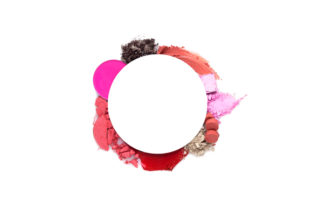
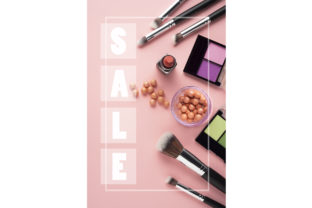
In the vibrant world of cosmetics, where bold colors and innovative formulas often steal the spotlight, there exists a quiet hero that frequently goes unnoticed until it is missing from the equation: the beauty brush. Imagine a creative concept photo featuring an array of cosmetics swatches fanned out like a painter's palette, surrounded by sleek brushes with soft bristles, all resting on a delicate pink background. This image captures more than just aesthetic appeal; it represents the intersection of artistry, precision, and technology that defines modern makeup application. While fingers and sponges have their place, understanding the nuanced role of beauty brushes is essential for anyone looking to elevate their daily routine or professional craft.
The Fundamental Purpose of Makeup Tools
At its core, a beauty brush is a tool designed to bridge the gap between a product's potential and its final appearance on the skin. Much like a musician needs a finely tuned instrument to play a symphony, a makeup enthusiast or professional artist requires the right brush to execute a flawless look. The primary purpose of these tools is control. Whether you are blending a harsh eyeshadow line into a seamless gradient or buffing foundation into the skin for a natural finish, brushes offer a level of precision that fingers simply cannot match.
Furthermore, brushes play a critical role in product economy. When applied with fingers, a significant amount of product can be absorbed by the skin of the hand or applied too heavily in one spot, leading to waste. High-quality brushes pick up the perfect amount of pigment and distribute it evenly, ensuring that your expensive serums, foundations, and powders last longer while delivering better coverage.
Natural vs. Synthetic: Understanding Bristle Technology
One of the most common misunderstandings in the beauty industry concerns the material of the bristles. For decades, natural hair brushes (made from goat, squirrel, or sable hair) were considered the gold standard. They are renowned for their ability to pick up powder products and blend them seamlessly due to the cuticle structure of the hair. However, the narrative has shifted dramatically with advancements in synthetic technology.
Modern synthetic brushes, typically made from taklon or nylon, have revolutionized the industry. Unlike natural hair, which can absorb liquid products, synthetic fibers are non-porous. This makes them ideal for liquid foundations, cream blushes, and concealers, as they do not soak up the product and allow for a streak-free application. Additionally, synthetic brushes are often cruelty-free and easier to clean, aligning with the ethical values of many contemporary consumers.
- Natural Hair: Best for loose powders, setting powders, and dry eyeshadows where soft blending is key.
- Synthetic Fiber: Superior for liquids, creams, and gels; offers hygiene benefits and durability.
- Duo-Fiber: A mix of both, often used for stippling foundation to achieve an airbrushed effect.
The Anatomy of a Perfect Application
To truly appreciate the significance of beauty brushes, one must look at how they fit into the practical workflow of applying makeup. Consider the face as a canvas with varying textures and contours. A flat kabuki brush, with its dense, rounded head, is engineered to buff mineral foundation into the pores, creating a smooth surface. In contrast, a tapered highlighting brush is designed with specific angles to catch the high points of the cheekbones, depositing light exactly where it is needed without disturbing the base underneath.
This specificity extends to the eyes, where the margin for error is slim. A small, precise pencil brush allows for smoking out the lower lash line with intense color, while a large, fluffy blending brush diffuses that same color into the crease to create depth without harsh lines. The difference between a muddy, undefined eye look and a professional, dimensional one often comes down to selecting the correct tool for the specific task.
Maintenance and Longevity: The Hidden Variable
Owning high-quality brushes is only half the battle; maintaining them is equally crucial for both skin health and tool performance. A common assumption is that brushes only need cleaning when they visibly look dirty. In reality, brushes accumulate oil, dead skin cells, and bacteria after every use. Using a dirty brush can lead to breakouts, irritation, and compromised application, as the clogged bristles cannot pick up or release product effectively.
- Rinse: Wet the bristles with lukewarm water, avoiding the ferrule (the metal part) to prevent glue loosening.
- Cleanse: Apply a gentle brush cleanser or mild soap to the bristles and massage in a circular motion on your palm or a silicone mat.
- Rinse Again: Ensure all soap residue is removed until the water runs clear.
- Dry: Reshape the bristles and lay the brush flat to dry. Never stand a wet brush upright, as water can seep into the handle and damage the integrity of the tool.
Regular maintenance not only protects your skin but also extends the life of your investment. A well-cared-for synthetic brush can last for years, maintaining its shape and softness, whereas a neglected brush will shed, become scratchy, and lose its functionality quickly.
The Role of Brushes in Modern Creativity and Business
Beyond the vanity table, beauty brushes hold significant relevance in the broader contexts of creativity, education, and business. In the realm of digital content creation and social media, the "swatch photo" has become a cultural phenomenon. Influencers and brands meticulously arrange products and brushes against colored backgrounds—like the aforementioned pink backdrop—to demonstrate texture, pigmentation, and blendability. These images are not just marketing; they are educational tools that help consumers visualize how a product performs before purchasing.
For professionals in the beauty industry, mastery of brushes is a fundamental skill taught in cosmetology schools. It is a tangible metric of expertise. A makeup artist's kit is their livelihood, and the quality of their brushes directly impacts their reputation and client satisfaction. In this sense, the brush is not merely an accessory but a vital component of a service-based business model.
Moreover, the evolution of brush design reflects broader technological trends. We are seeing the integration of ergonomic handles designed to reduce hand fatigue for professionals who work long hours, and antimicrobial bristle coatings that respond to the global heightened awareness of hygiene. The industry is constantly innovating to meet the demands of a consumer base that is increasingly informed and discerning.
Building a Versatile Collection
For the beginner, the sheer variety of brushes available can be overwhelming. It is easy to assume that one needs a thirty-piece set to achieve a good look. However, a curated collection of versatile tools is far more effective than a drawer full of unused gadgets. Starting with the essentials allows users to build confidence and understand the mechanics of application before expanding their toolkit.
A foundational kit should include:
- A versatile foundation brush or sponge alternative.
- A fluffy powder brush for setting the face.
- An angled brush for brows or eyeliner.
- A medium-sized blending brush for eyeshadow.
- A dual-ended brush for lips and concealer details.
By focusing on quality over quantity, readers can develop a deeper appreciation for how each tool functions. This approach fosters a mindset of intentionality in beauty routines, moving away from mindless consumption toward mindful application.
Conclusion: Elevating the Everyday Ritual
Ultimately, beauty brushes are more than just sticks with hair attached; they are extensions of our hands and instruments of self-expression. They transform the act of applying makeup from a mundane chore into a ritual of care and creativity. Whether you are a novice learning to blend your first eyeshadow or a seasoned artist crafting a complex editorial look, the right brush makes the process smoother, more hygienic, and infinitely more enjoyable.
As we continue to navigate a world where visual presentation and personal grooming play pivotal roles in daily life and professional interaction, understanding the tools we use becomes paramount. By demystifying the differences between bristle types, emphasizing the importance of maintenance, and recognizing the artistic potential of these tools, we empower ourselves to make informed choices. So, the next time you gaze upon a display of cosmetics and brushes, remember that behind every flawless finish lies the silent, steady work of a well-chosen beauty brush.